
Dryer Vent Cleaning in Seattle, WA

"*" indicates required fields
At Clearly Amazing, we take on all of the mess and risk so you don’t have to.
RESIDENTIAL SERVICES
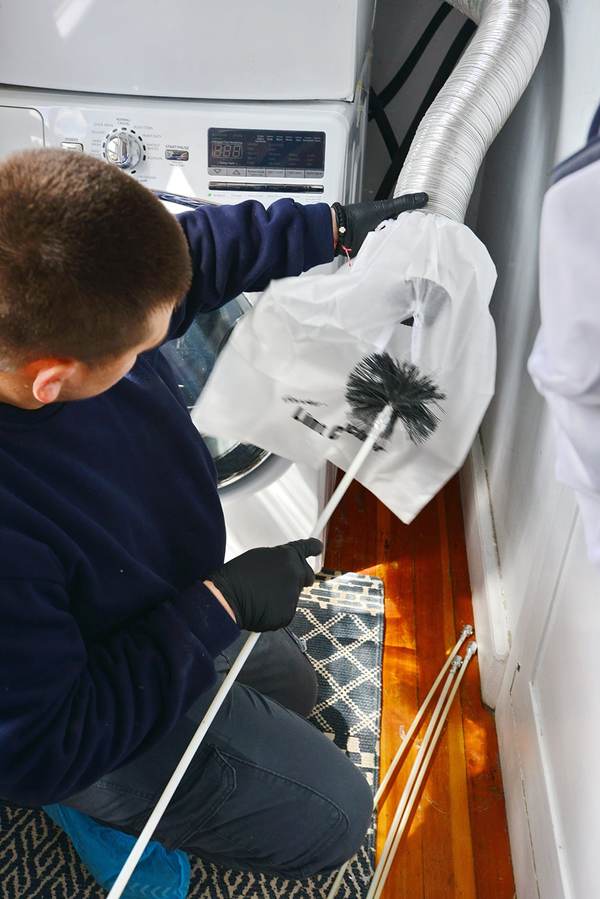

Clearly Amazing cleans dryer vents for homes and businesses across Seattle, Redmond, Kirkland and the rest of King County, out of our office on NE 95th Street in Redmond. Our crews are insured, and every estimate is free and done on site.
Call (425) 353-6368 for a free on-site estimate.
Why a clean dryer vent matters
In the National Fire Protection Association’s 2014–2018 data, U.S. fire departments responded to an estimated 13,820 home fires a year that started at a clothes dryer. One-third of them (32%) were caused by a failure to clean, mainly lint build-up, and failure to clean was linked to every dryer-fire death in that data.
Signs your dryer vent needs cleaning
- Clothes are still damp at the end of a normal cycle, or drying takes longer than it used to (CPSC).
- Towels and jeans take a long time to dry, or clothes feel hotter than usual at the end of the cycle (U.S. Fire Administration).
- The flap on the outside vent doesn’t open while the dryer is running, or you can’t feel exhaust air coming out.
- The duct behind the dryer is crushed, kinked, or made of white plastic or foil. The CPSC recommends rigid or semi-rigid metal duct instead.
Call (425) 353-6368 for a free on-site dryer vent estimate in Seattle, or request an estimate online.
Washington says every three months
The Washington State Fire Marshal’s Office goes further than the national once-a-year advice: its dryer safety guidance says to clean lint out of the vent pipe every three months, and to use rigid or flexible metal venting. The Seattle Fire Department adds that bends and lint in the hose behind the dryer can block airflow, and that most dryer fires happen during the winter months.
The duct rules in Washington
The 2021 Washington State Residential Code keeps the national dryer rules: a 4-inch metal duct that ends outside with a backdraft damper and no screen, screws that stick no more than 1/8 inch into the duct, and a run of no more than 35 feet minus an allowance for each elbow.