
It’s what’s on the outside Your home is your favorite place to be and the…

Spring is in the air — and so is the pollen. If you’re like many homeowners, you might be planning to hold off on window cleaning until “after pollen season.” But here’s the problem: dirty surfaces actually attract and hold more pollen, making your home look worse as the season goes on, not better.
Dirt + Pollen = A Sticky Situation
When pollen starts falling, it doesn’t just rest lightly on your windows. If glass surfaces are already coated with dust, grime, or winter residue, they act like glue for airborne pollen. Instead of being easily rinsed away by rain or wind, pollen binds to those dirty surfaces — creating a stubborn, caked-on mess that won’t come off without a proper cleaning.
Think about what accumulates on your windows over a typical winter: dust, hard water deposits, oxidation, exhaust residue, and general grime. That layer of buildup creates a rough, sticky surface that pollen grips far more aggressively than clean glass. Clean, smooth glass simply doesn’t trap pollen the same way.
Pollen Loves Rough and Porous Surfaces
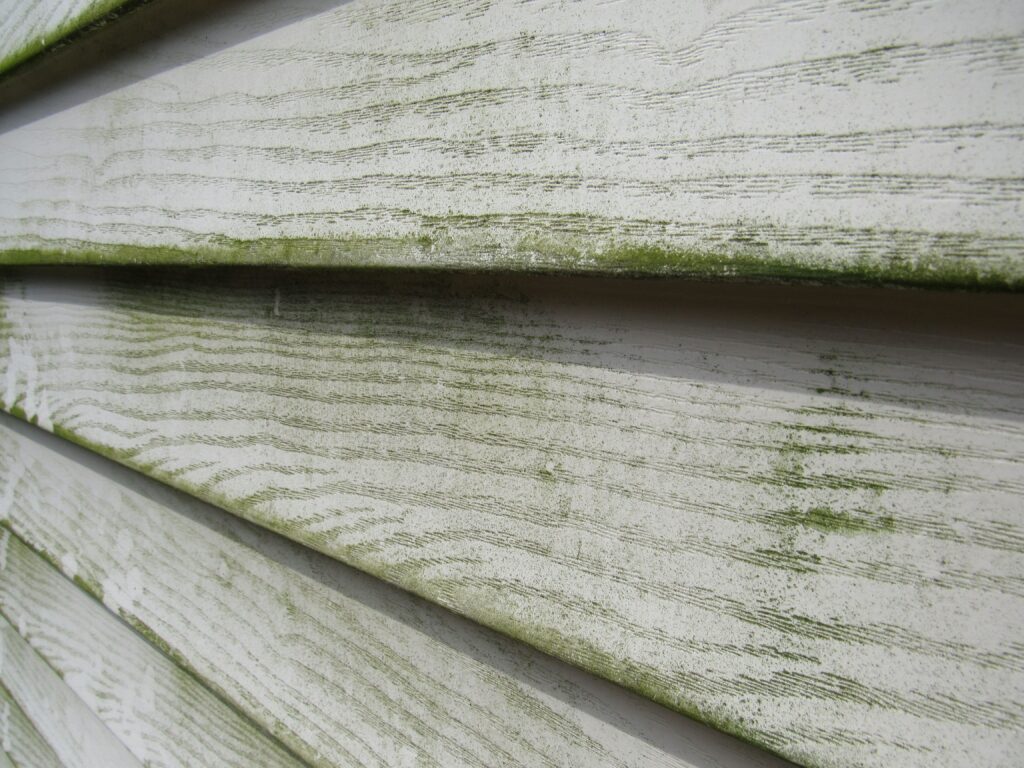
This problem isn’t limited to glass. Pollen grains are tiny and sticky, and they especially love clinging to rough or porous surfaces like brick, stucco, wood siding, and textured vinyl. If those surfaces are already dirty going into spring, they become an ideal pollen trap — leaving your home looking yellow and dingy long after the bloom is gone.
Window frames, screens, sills, and tracks are particularly prone to pollen accumulation when they haven’t been cleaned since fall. Once pollen packs into those areas and gets wet, it compacts into a gritty paste that’s much harder to remove.
The “Waiting It Out” Myth
It sounds logical: why clean your windows when the air is still full of pollen? But here’s what actually happens when you wait:
The longer pollen sits, the harder it is to remove. Pollen that’s been baked in by spring sun and cycled through several rain events doesn’t just sit on the surface — it stains and embeds into it, especially on windows, frames, and sills.
Pollen plus moisture creates bigger problems. When pollen mixes with spring rain and existing grime, it creates the perfect environment for mold, mildew, and algae growth. What started as a cosmetic issue can turn into a surface damage problem.
Your home’s air quality suffers too. Allergen buildup on windows, screens, and frames means every time you open a window or walk past, you’re stirring up a concentrated source of pollen. For anyone in your household with seasonal allergies, that’s a meaningful difference.
You lose weeks of enjoyment. After months of grey winter days, spring’s natural light is something worth actually seeing. Peering through a yellow-green film isn’t the same as looking through clean glass.
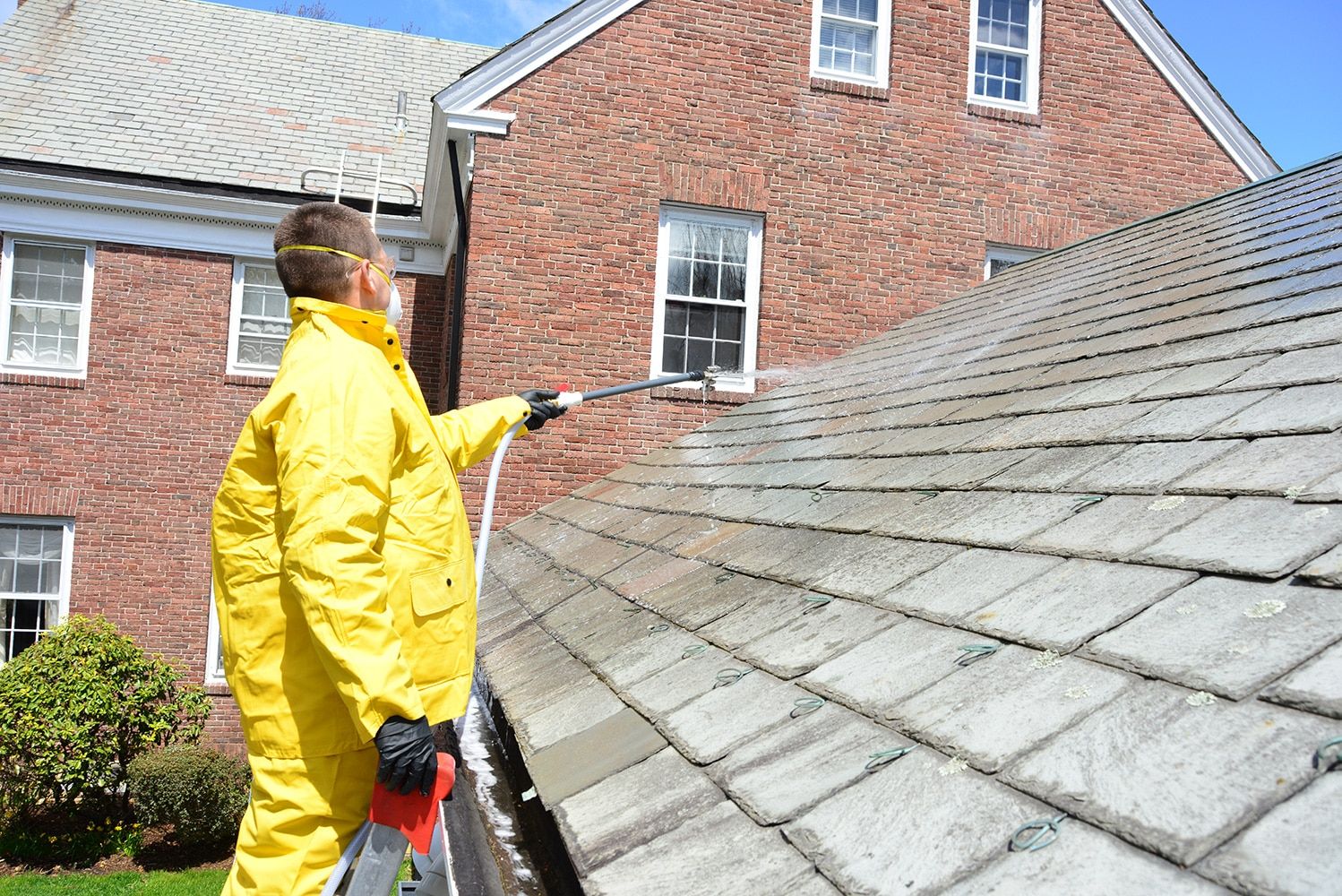
The Better Move: Get Ahead of It Now
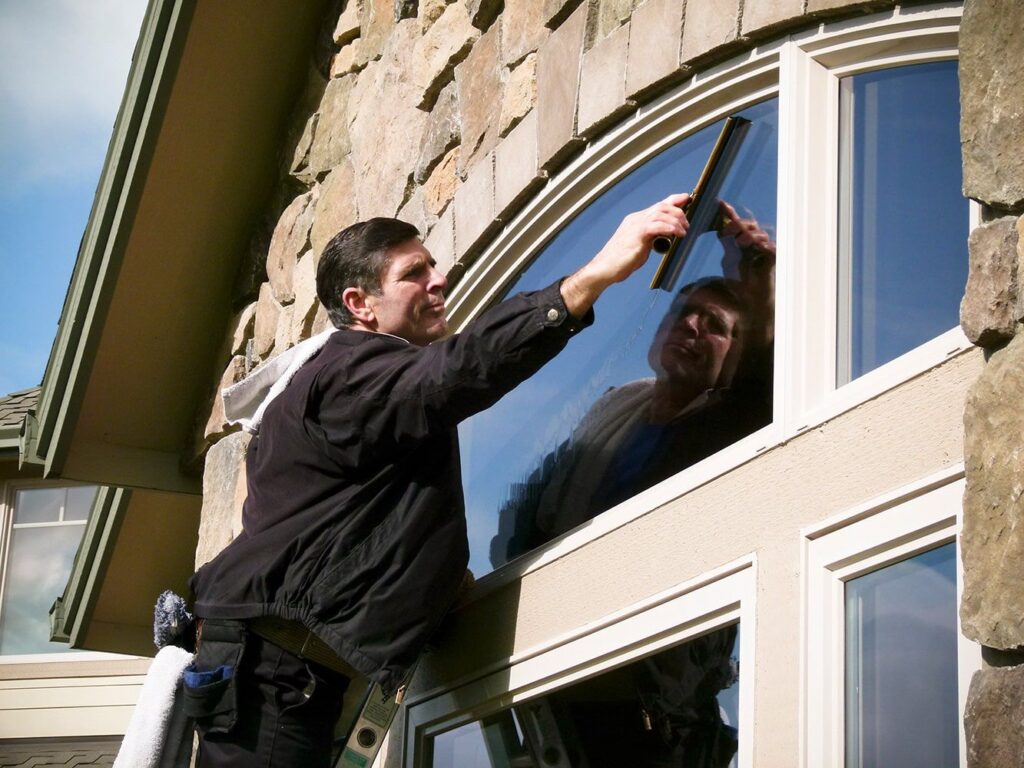
Rather than waiting for pollen season to end, the smarter approach is to start spring with clean windows. Pollen will still land on clean glass — but it won’t bond as aggressively, and it will rinse off far more easily with the first rain. You’re not fighting the season; you’re making it easier on yourself throughout.
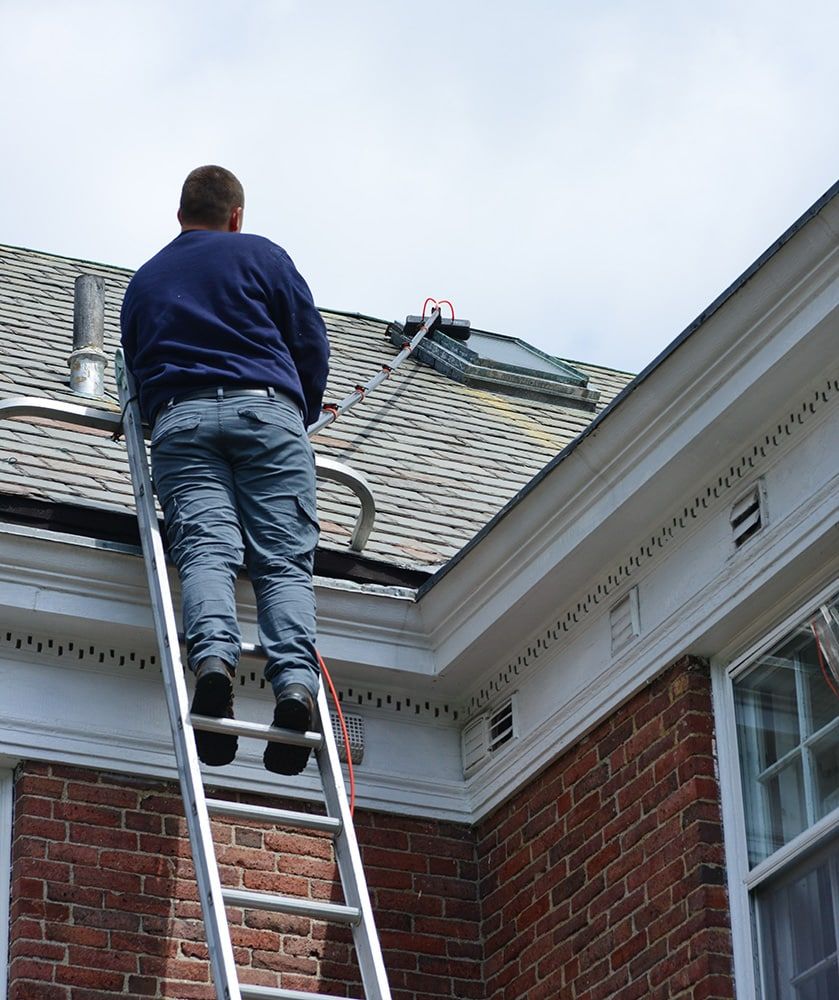
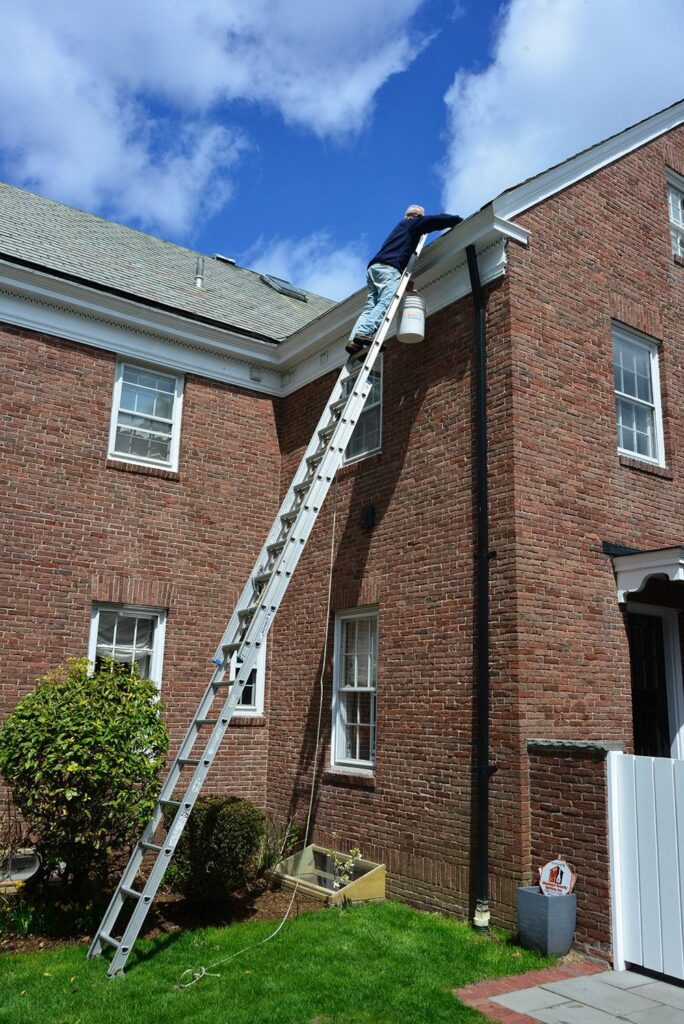
A professional spring window cleaning removes the winter grime layer that pollen would otherwise stick to, giving you clearer views from day one of the season and a much easier cleanup when pollen winds down.
What Clearly Amazing Can Do for You This Spring
Ready to get ahead of pollen season? Contact us today to schedule your cleaning or to request a free estimate.
Related Posts